As a parent in Soweto, you are doing something powerful every day — you are choosing your child's future. One of the most important choices you will make in your child's early years is where they go during the day while you are at work. You have probably heard the words crèche and daycare thrown around at church, at work, or by neighbours. Many people use these words as if they mean the same thing. But they are not exactly the same, and understanding the difference can help you make the best decision for your child.
This article will explain the difference in plain, simple language — no confusing jargon, just what you need to know as a parent right here in Soweto.
First, What Is a Crèche?
The word crèche (sometimes written as creche) comes from a French word meaning "manger" — a place of warmth and care. In South Africa, a crèche is typically a place that looks after babies and very young children, usually from a few months old up to about 3 years old. The focus is mainly on care: feeding, sleeping, nappy changing, and keeping your baby safe and comfortable.
Many crèches in townships and suburbs across Johannesburg operate from a home or a small community hall. They may be run by one or two auntie-figures, often women from the community who are passionate about children. The Department of Social Development (DSD) requires crèches to be registered if they look after more than 6 children.
A crèche typically offers:
- Safe supervision for babies and toddlers (0–3 years)
- Feeding and nap schedules
- Basic play and stimulation
- A home-like, nurturing environment
- Flexible or shorter hours in some cases
In Soweto: You will often find crèches run from someone's home in Orlando, Dobsonville, Meadowlands, or Diepkloof. These are sometimes called "home-based care" facilities.
And What Is a Daycare?
A daycare centre (also called a day care or childcare centre) is usually a more structured facility. It takes children from infancy up to preschool age, sometimes even offering Grade R and aftercare for older kids. Daycare is designed for working parents who need full-day care — typically from around 6:30am to 5:30pm.
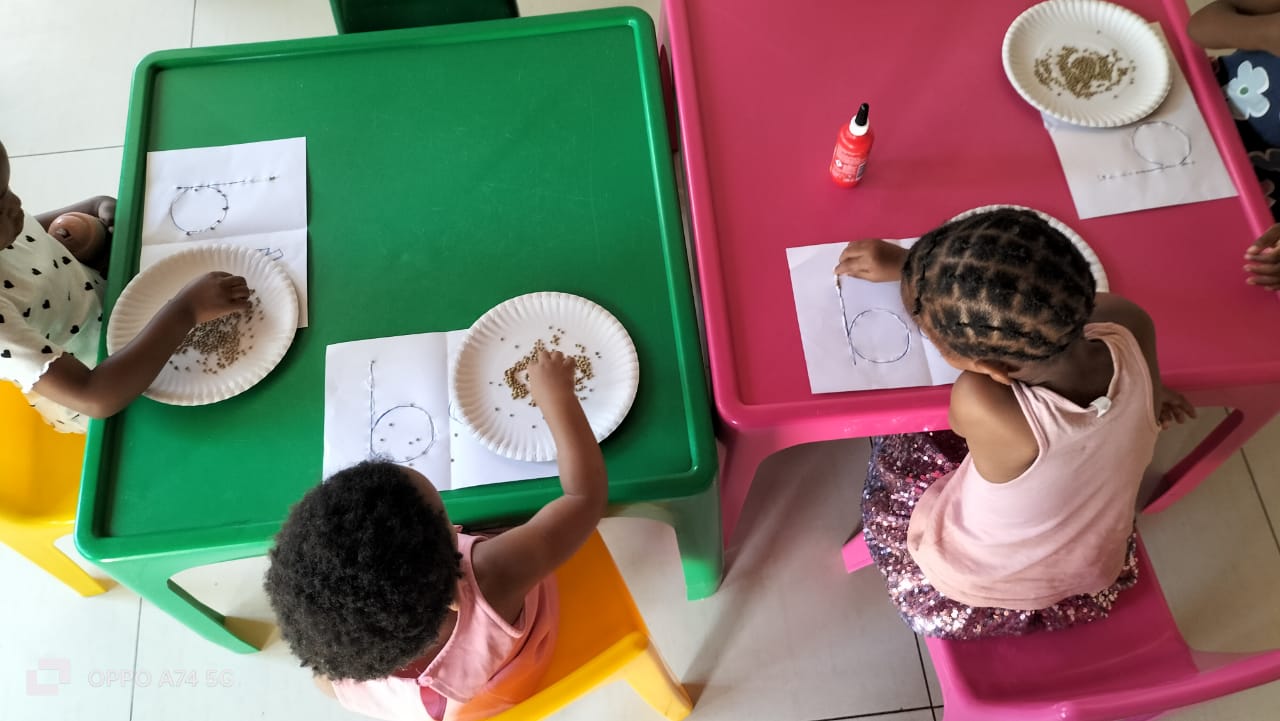
Unlike a crèche, a daycare does not just look after your child's basic needs. It also provides early childhood education and development activities. Staff at registered daycare centres are often trained in Early Childhood Development (ECD) and follow learning programmes that help children develop language, thinking, social, and creative skills.
A daycare typically offers:
- Full-day care for children from 0 to 5+ years
- Structured daily programmes with learning and play
- ECD-trained staff or teachers
- Meals provided (breakfast, lunch, and snacks)
- Grade R preparation for school readiness
- Consistent hours that work around a full working day
Important to know: The South African government, through the DSD and the Department of Education, supports ECD centres and many registered daycare centres receive government subsidies that help reduce fees for low-income families.
So What Is the Real Difference?
Let us put it simply in a way that makes sense for everyday Soweto life:
Think of a crèche as a caring, warm home for your baby. It is about love, safety, and meeting your child's immediate needs. It is especially good for babies under 2 years old, when what they need most is a consistent, nurturing caregiver — not formal lessons.
Think of a daycare as a learning home for your growing child. It is about care AND education. A good daycare will prepare your toddler or preschooler for Grade R and Grade 1 — teaching them colours, numbers, letters, how to share, and how to listen. This is especially important from age 2 upwards.
The Soweto Reality: What Parents Face
In many parts of Soweto, the line between a crèche and a daycare is blurry. Some facilities call themselves crèches but offer a full-day programme with structured learning. Others call themselves daycares but are essentially home-based care with minimal structure. The name alone does not always tell you what you are getting.
Here is what you should look for when visiting any facility — regardless of what it calls itself:
- Is it registered with the Department of Social Development or the Department of Education?
- What is the staff-to-child ratio? (The recommended ratio is 1 adult to every 6 babies, or 1 adult to every 10 toddlers)
- Is the environment clean, safe, and stimulating?
- What do the children eat? Are meals nutritious?
- Are the caregivers warm and attentive, or distracted and dismissive?
- Does your child come home happy, tired from play, and talking about their day?
Soweto tip: Word of mouth is still the most powerful tool in our communities. Ask your neighbours, your church sisters, your colleague at work. A personal recommendation from a trusted person matters more than a shiny sign outside a building.
What About Cost?
Cost is a real concern for most families in Soweto. Here is a rough guide:
- Home-based crèches tend to be more affordable, often ranging from R400 to R1,500 per month depending on the area and what is included. They may charge less but may also provide fewer structured activities or meals.
- Registered daycare centres, especially those with ECD teachers and full programmes, can cost between R1,200 and R3,500 per month or more. However, if the centre is government-subsidised and your household income qualifies, you may pay significantly less or even nothing.
To find out if you qualify for a government subsidy, contact your nearest Department of Social Development office. There are DSD offices in Soweto, including in Protea Glen and Naledi. You can also visit the Johannesburg City offices in Braamfontein.
Did you know? The South African government funds ECD subsidies specifically to help low-income families access quality early childhood care. Many families who qualify never claim these benefits simply because they do not know about them.
What to Ask Before You Enrol Your Child
Whether you are choosing a crèche or a daycare, use this simple checklist when you visit:
- Is this facility registered? (Ask to see the certificate)
- What are the daily hours?
- What does my child eat each day — and who provides the food?
- How many children are in the group and how many adults look after them?
- What do the children do each day? Is there a programme or routine?
- What happens if my child is sick?
- May I visit unannounced to check on my child?
- What are the fees, and is there a subsidy option?
- What is the policy on discipline? (Never accept hitting or harsh punishment)
The Bottom Line for Soweto Parents
Both crèches and daycares exist to support working parents and to give children a safe and nurturing place to grow. Neither is automatically better than the other — the right choice depends on your child's age, your working hours, your budget, and what kind of environment your child will thrive in.
A loving, registered crèche run by a trustworthy woman from the community may be exactly what your 8-month-old baby needs. By the time that same child is 3 years old, a structured daycare with an ECD programme may be the better fit to prepare them for school.
The most important thing is that your child is safe, loved, fed, and stimulated every single day. That is what they need to grow up strong.
You are already asking the right questions. Keep asking them.
Useful Contacts
- Department of Social Development (Gauteng): 011 355 7600
- City of Johannesburg: 011 407 6111
- ECD Information Line (National): 0800 220 250
Looking for quality daycare in Tladi, Soweto? The Spongy Kids Day Care Centre offers NPO certified care with ECD programmes for children 0–6.
WhatsApp Enquiry